Author: sales
-
In an era where nations compete on digital excellence, sovereignty is measured by a country’s ability to protect its virtual assets as firmly as its physical borders. The source code behind critical systems — in energy, water, healthcare, finance, and government services — is among the most valuable of those assets. So where is your…
-
For years, software escrow was executed as a formality: a CD or a zip archive deposited with a law firm, then forgotten in a locked drawer. When the moment of truth arrived — a vendor bankruptcy or an abrupt end of support — beneficiaries discovered that what was deposited was incomplete, outdated, or simply would…
-
In November 2025, the Communications, Space and Technology Commission (CST) published its Software Escrow Guideline — the Kingdom’s first official, unified framework for software escrow agreements in Saudi Arabia. This is not a passing regulatory footnote: it is a cornerstone of the digital-trust infrastructure that Saudi Vision 2030 is built on. What Is Software Escrow?…
-

Software escrow has emerged as a critical safeguard in modern technology agreements, providing a trusted third-party arrangement that protects both software vendors and their clients. As digital transformation accelerates across industries, the role of escrow services in ensuring business continuity and regulatory compliance has never been more important. In recent years, regulatory frameworks across the…
-

Software licensing and transfer deals are among the most sensitive transactions in technology: the client places long-term financial and operational trust in the vendor. As critical sectors — banking, healthcare, government — depend ever more heavily on software, securing these deals has become a strategic necessity. This article reviews the practices that protect both parties…
-

Regulatory compliance is now a central pillar of software escrow deals, especially in tightly regulated sectors such as finance, healthcare, and government. Depositing source code is no longer just a precaution; it is an explicit requirement in several local and international frameworks. This article highlights the key compliance aspects that organizations and vendors should consider.…
-

Software agreements are among the most complex contracts in business, weaving together legal, technical, and financial considerations. Many organizations make fundamental mistakes when signing them — mistakes that later cost real money and effort. This article reviews the most common ones and how to avoid them, so both parties are protected. 1. No Software Escrow…
-

As software has come to run the core of modern business, software escrow services have become a fundamental pillar of technical and operational risk management. They combine legal and technical protection in one arrangement, providing a layer of safety for the client and the vendor alike. This article reviews the main benefits that make escrow…
-
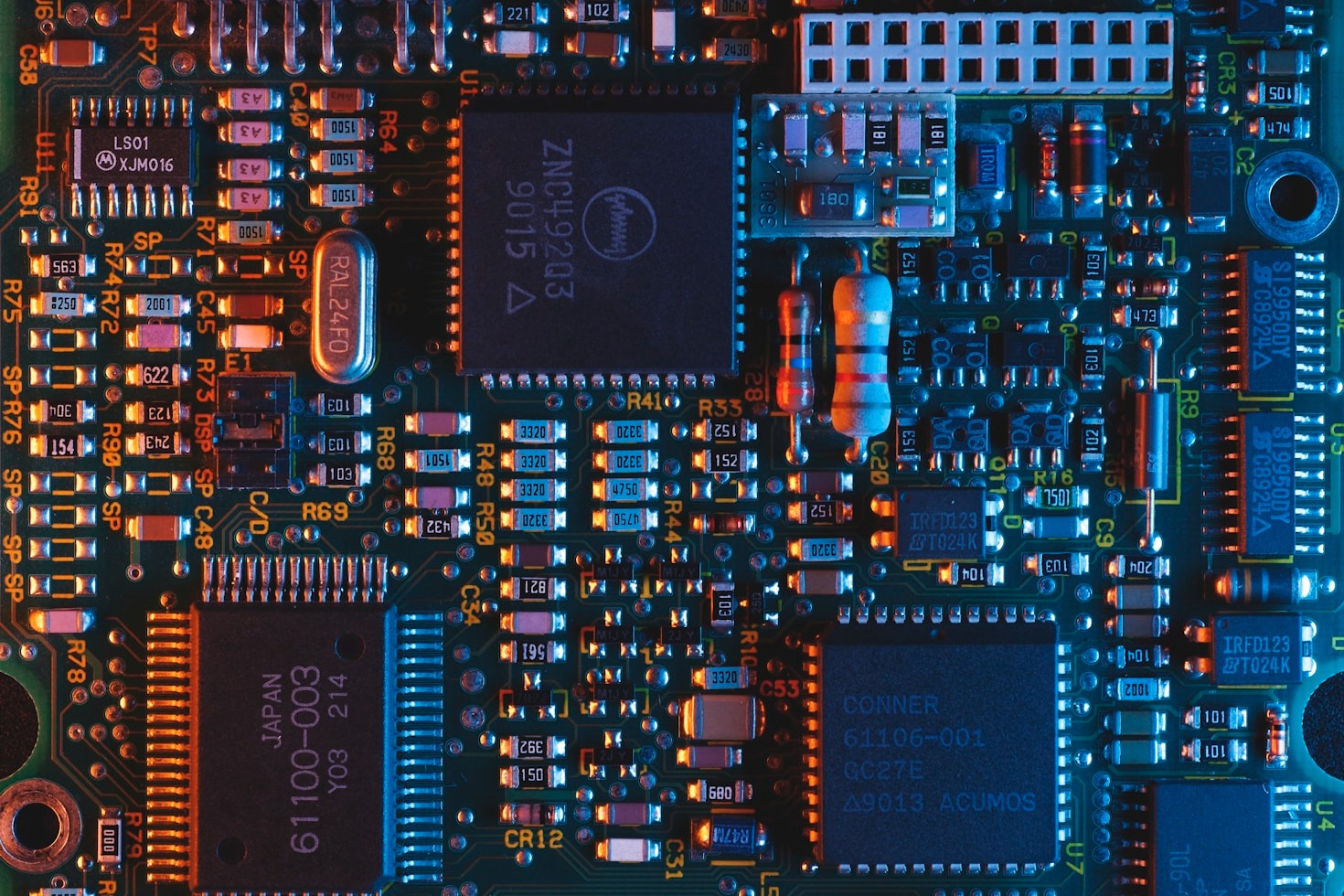
Software is now a core strategic asset in most organizations, whether as commercial products or internal operational systems. Protecting these assets is no longer optional; it calls for specialized mechanisms that combine legal and technical safeguards. Escrow services provide exactly that — protecting software assets efficiently and securely. Protecting Source Code as Intellectual Property Source…
-

Software transactions face multi-layered security risks: source-code leaks, compromised delivery environments, false ownership claims, and malicious code hidden inside deliverables. Securing these transactions requires a structured approach that combines legal, technical, and operational controls — so every deal is completed efficiently and securely. This article is a practical guide. 1. Verify the Parties and Their…